
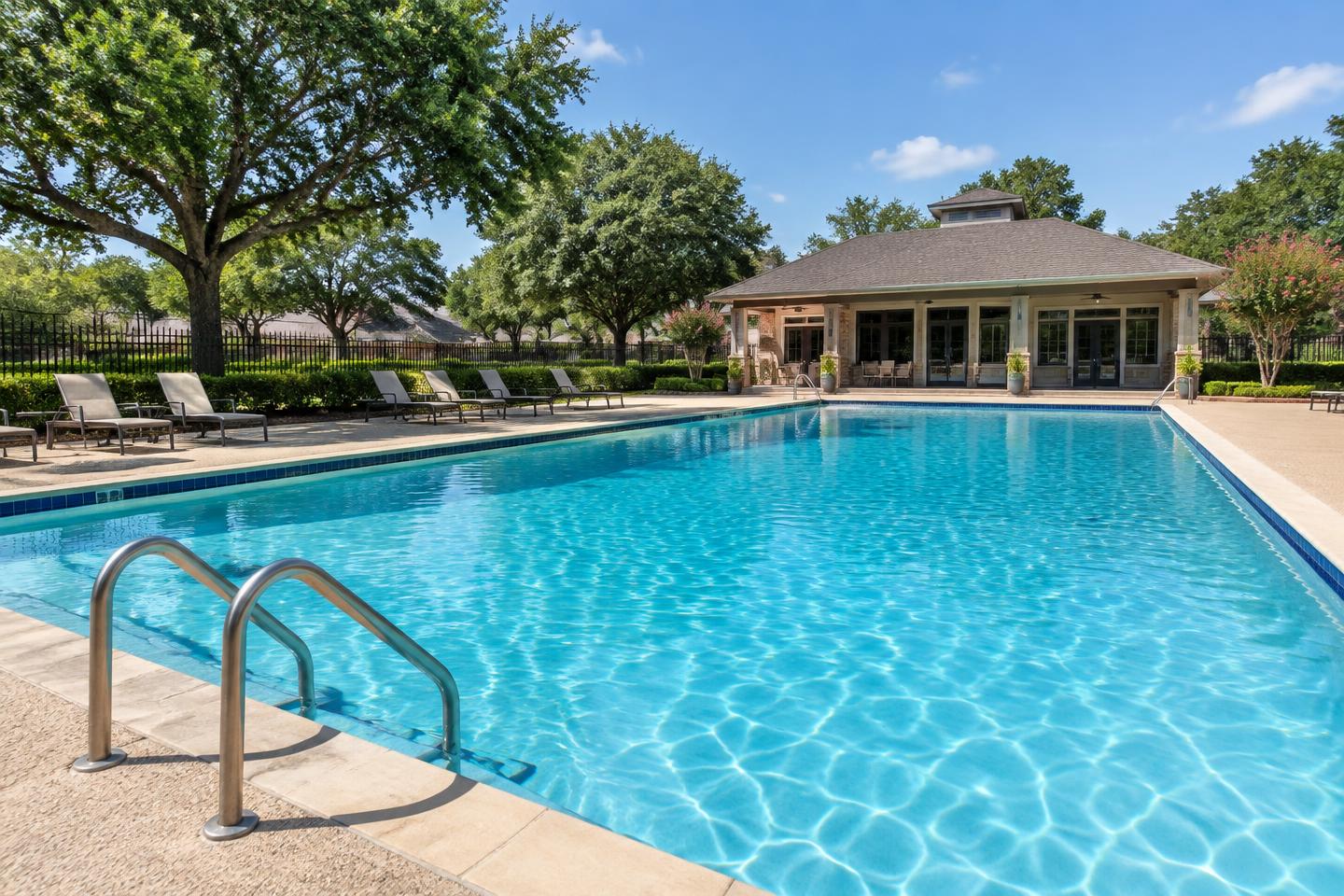
Commercial pools need a scope built around the way the property operates. For green pool recovery, that means looking at the pool, the people responsible for it and the conditions that change between visits—not just completing a generic checklist.
What this service can cover
The final scope depends on equipment, use and site responsibilities. These are the tasks to discuss during a property review.
Assessing visibility and whether the pool should remain closed.
Testing water and checking circulation equipment.
Planning treatment, brushing and filtration steps.
Rechecking water conditions before reopening decisions.
Do not treat the color as the entire problem
Algae growth may follow an equipment shutdown, inadequate sanitizer, poor circulation or a combination of them. Before selecting a treatment, establish the condition of the water, test it and check that the pump and filter can support a recovery. If the bottom is not visible, ordinary use should not continue while the condition is assessed under the site's safety procedures.
A recent flood or major contamination event calls for a different decision path from gradual algae growth. Record what happened and consult the applicable authority or facility protocol before deciding how to recover and reopen.
Build a sequence that can actually clear the pool
A recovery plan may involve removing debris, brushing affected surfaces, correcting chemistry, maintaining circulation and cleaning the filter as it captures suspended material. The order and timing depend on the pool, equipment and applicable operating requirements. Adding product without restoring circulation can leave the root cause untouched.
Test and document progress rather than relying on appearance alone. A pool that looks less green can still have unsuitable sanitizer, pH or visibility. If the filter plugs rapidly or algae returns, revisit the underlying system and operating schedule.
Reopening is a separate decision
The end of treatment is not automatically the time to let swimmers back in. Verify the required water conditions, clarity, equipment operation and any local reopening steps with the responsible operator. Keep a record of the issue, corrective work, test results and who approved the return to use.
Once the pool is stable, adjust the maintenance or monitoring plan to address the original cause—whether that was a missed feeder alarm, storm runoff or a circulation problem.
When to take a closer look
- Following a prolonged equipment outage.
- After flooding, storms or missed treatment.
- When repeated algae returns shortly after treatment.
What to have ready for a conversation
- When the water changed and whether an outage or storm preceded it
- Recent water readings, treatments and filter condition
- Who manages closure and reopening decisions at the property
Questions to settle before work begins
What caused the sanitizer loss?
Is the filter capable of clearing suspended material?
Who authorizes reopening under local rules?
How to evaluate the result
Agree on a starting condition before work begins: recent logs, visible symptoms, equipment readings and any open findings. After the visit, compare those records with what was actually observed and corrected. A completed task and a resolved problem are not always the same thing; note what still needs monitoring, approval or a second check.
If a condition affects water clarity, circulation, disinfection or safe access, the facility team should use its closure and escalation procedure rather than waiting for the next scheduled visit. Reopening decisions belong with the responsible operator under the requirements that apply to the site.
CPO oversight and health-department rules
A Certified Pool & Spa Operator (CPO) credential is training, not a permit or a substitute for the facility operator’s responsibilities. Identify who is trained to oversee the pool, who performs and records tests during open hours, and who has authority to close it when conditions are unsuitable. Check the qualifications required for your particular facility with its regulator; this page does not establish that any member of our team holds a CPO credential.
Texas public-pool requirements are published by the Texas Department of State Health Services. Permits, inspections and additional rules may be administered by the city or county health department responsible for the property address. Do not assume City of Houston rules apply to every suburb. Keep permits, water logs and inspection correspondence available, and confirm the current requirements directly with the responsible authority.
For a checklist of information to gather before an inspection, see inspection preparation. A service visit does not certify compliance or replace official inspection.
Questions property teams ask
Is a pool safe to reopen once it looks clear?
Appearance alone is insufficient. The operator must verify applicable water readings, visibility and equipment operation before reopening.
Why does green water return?
A recurring issue can indicate a circulation, filtration, sanitizer-feed or operating-schedule problem. Document what changed before repeating treatment.
Facility requirements vary by address, pool type and authority. Confirm site-specific obligations with the applicable local authority. Service scope and availability are confirmed for each property.